Many businesses treat SEO, ads, and content as separate activities.
Different teams. Different budgets. Different expectations.
SEO is expected to “work slowly.”
Ads are expected to “work immediately.”
Content is expected to “build brand awareness.”
Individually, each can deliver results.
But together, they create something far more powerful: compounding growth.
This is where most businesses miss the bigger picture.
A strong digital marketing strategy is not about choosing between SEO, ads, or content. It’s about understanding how they support each other, reduce risk, and build long-term momentum.
Let’s break it down with digital marketing strategy.
Why Treating SEO, Ads, and Content Separately Fails
When these channels operate in isolation, problems appear quickly:
-
- Ads generate traffic, but conversions stay low
-
- SEO brings visitors, but messaging feels weak
-
- Content gets engagement, but no leads
Each channel struggles because it’s missing context from the others.
SEO without content lacks depth.
Ads without content lack trust.
Content without SEO or ads lacks reach.
A digital marketing agency that focuses on only one channel usually delivers partial success, not sustainable growth.
The Role of SEO in Long-Term Growth in digital marketing strategy
SEO is often misunderstood as just ranking on Google.
In reality, SEO is about demand capture—being visible when users are already searching for solutions.
What SEO Does Well
-
- Brings consistent, high-intent traffic
-
- Builds credibility over time
-
- Reduces long-term cost per lead
-
- Supports brand authority
What SEO Cannot Do Alone
-
- Create instant traction
-
- Test messaging quickly
-
- Control short-term volume
SEO is powerful, but it’s a slow compounding asset, not a quick win.
This is where ads and content step in.
The Role of Paid Ads in the Growth Engine of digital marketing strategy
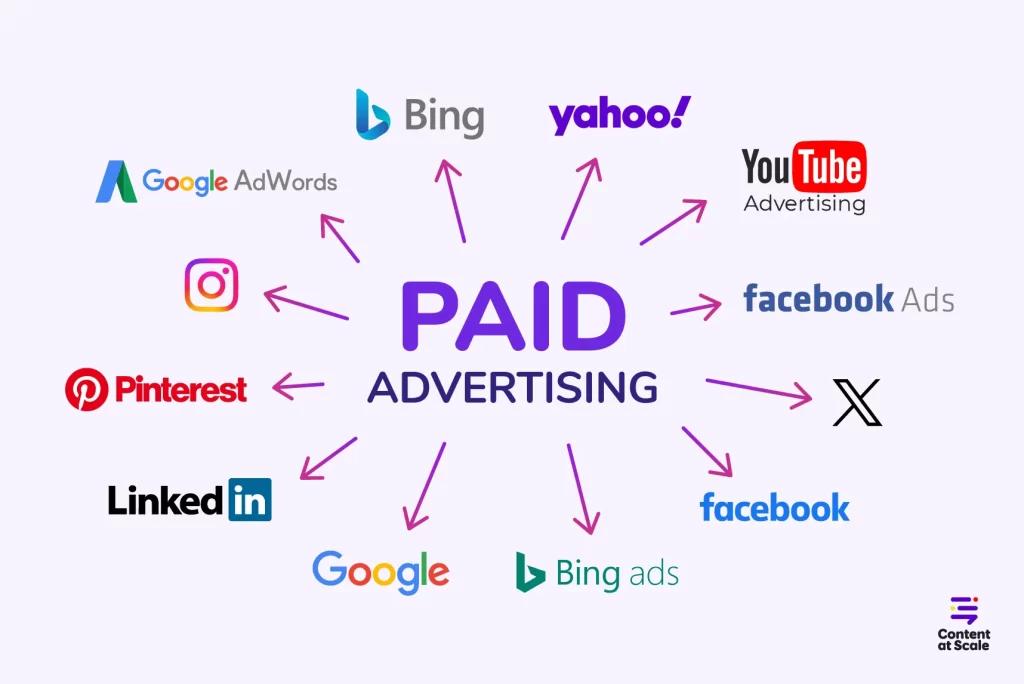
Ads are the opposite of SEO in many ways.
They are fast. Measurable. Controllable.
What Ads Do Well
-
- Generate immediate visibility
-
- Test offers and messaging quickly
-
- Scale traffic on demand
-
- Support launches and promotions
What Ads Cannot Do Alone
-
- Build trust instantly
-
- Stay profitable without optimization
-
- Work efficiently without strong landing pages
Ads don’t fail because ads are bad.
They fail because what happens after the click is weak.
That’s where content and SEO-backed insights matter.
The Role of Content Beyond “Posting”
Many businesses think content is only about blogs or social posts.
But content is the connective tissue of digital marketing.
Content includes:
-
- Website messaging
-
- Landing pages
-
- Case studies
-
- Videos
-
- Email sequences
What Content Does Well
-
- Builds trust and clarity
-
- Educates users before conversion
-
- Supports SEO rankings
-
- Improves ad conversion rates
Without content, both SEO and ads lose effectiveness.
How SEO, Ads, and Content Support Each Other
Now let’s look at the real power—how these channels work together.
1. Ads Speed Up SEO Learning
SEO takes time to show results.
Ads give instant feedback.
By running ads, businesses can quickly learn:
-
- Which keywords convert
-
- Which messages resonate
-
- Which offers attract the right audience
These insights can then be used to:
-
- Optimize SEO content
-
- Improve meta descriptions
-
- Refine blog topics
-
- Strengthen landing pages
Ads reduce SEO guesswork is digital marketing strategy.
2. SEO Reduces Ad Dependency
As SEO content starts ranking:
-
- Paid traffic can be reduced
-
- Cost per lead drops
-
- Ad budgets become more strategic
SEO creates a safety net so growth doesn’t stop when ads are paused.
This balance is key to a sustainable digital marketing strategy.
3. Content Improves Ad Performance
Ads don’t convert because of clicks.
They convert because of confidence.
Strong content:
-
- Answers objections
-
- Explains value clearly
-
- Builds authority before purchase
A well-written blog or landing page can double ad performance without increasing spend.
That’s why digital marketing agencies focus heavily on messaging—not just targeting.
4. SEO Content Feeds Retargeting Ads
SEO brings visitors who may not convert immediately.
But those visitors can be:
-
- Retargeted through ads
-
- Re-engaged with content
-
- Nurtured through email
This creates multiple touchpoints without extra acquisition cost.
The Compounding Effect Explained Simply
Think of it like this:
-
- Ads bring speed
-
- SEO builds stability
-
- Content builds trust
Together, they create momentum is digital marketing strategy.
Each month:
-
- Content improves SEO
-
- SEO reduces ad pressure
-
- Ads amplify high-performing content
This is how online growth compounds over time.
Why Businesses Struggle to Align These Channels
Most alignment problems come from structure, not effort.
Common Mistakes
-
- Different teams handling each channel
-
- No shared goals or KPIs
-
- No content strategy tied to keywords
-
- Ads running without landing page optimization
Without alignment, each channel works—but never at full strength.
How a Digital Marketing Agency Approaches This Differently
A good digital marketing agency doesn’t ask:
“Should we do SEO or ads?”
They ask:
“How do these channels support each other?”
Their focus is on:
-
- Unified messaging
-
- Shared data insights
-
- Clear conversion paths
-
- Long-term scalability
The goal isn’t traffic.
The goal is growth with clarity.
What This Looks Like in Practice
A simplified example:
-
- Ads test keywords and messaging
-
- High-performing keywords become SEO targets
-
- Content is created to support both
-
- SEO traffic increases steadily
-
- Ads shift to retargeting and scaling
Over time, the business:
-
- Spends smarter
-
- Converts better
-
- Grows predictably
Why This Strategy Builds Trust Faster
Users don’t convert the first time they see a brand.
They:
-
- Read a blog
-
- See an ad
-
- Visit again via search
-
- Watch a video
-
- Then convert
SEO, ads, and content together support this buyer journey naturally.
Activity vs Strategy: The Final Difference
Many businesses are busy:
-
- Running ads
-
- Chasing rankings
But growth doesn’t come from doing more.
It comes from connecting the dots.
A strong digital marketing strategy aligns SEO, ads, and content into one system—not three separate tasks.
Final Thoughts: Growth Is a System, Not a Channel
SEO alone is slow.
Ads alone are expensive.
Content alone is invisible.
But together, they create:
-
- Stability
-
- Scalability
-
- Sustainability
That’s why businesses that grow consistently stop thinking in channels and start thinking in systems.
And that’s where real digital growth begins.